Sorry for What I Said Before I Had Coffee
As an experienced embroidery designer and product reviewer, I often find myself evaluating machine embroidery designs for real-world use—whether it’s for a personal project or something destined for my Etsy shop. When I first opened the digital download for Sorry for What I Said Before I Had Coffee, I was immediately struck by its conversational tone and clever visual composition. It’s not just another funny phrase stitched into a generic layout; this design has character.
A Morning Mood in Stitch Form
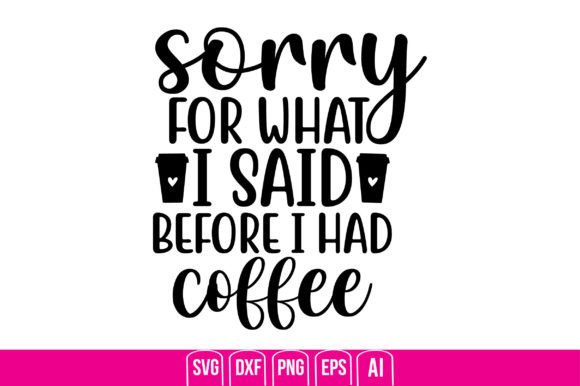
The phrase “Sorry for What I Said Before I Had Coffee” is delivered with a casual yet slightly playful aesthetic. The font choice feels handwritten but clean enough to translate well into satin stitch and fill stitch patterns. There are no overly intricate details that might get lost in translation during stitching, which makes it a solid candidate for most standard embroidery projects.
I noticed the layout spreads out comfortably across the design space, giving each letter room to breathe while still maintaining a cohesive look. This is important because cramped text can lead to stitching issues, especially when working with multiple layers of fabric or stretchy materials. The visual personality of this design leans more toward humor than formality, making it ideal for casual apparel or personalized gifts that aim to spark a smile.
Best Fit for Custom Apparel and Everyday Items
Thinking through potential applications, this design would work beautifully on a sweatshirt embroidery project. The softness of the font complements the cozy nature of a hoodie or jogger, and the message resonates with anyone who’s ever had a morning regret. It also looks great on a tote bag design where a bit of personality goes a long way. For craft business owners, it could be a fun addition to baby clothes, aprons, or even holiday gifts like embroidered mugs or pillows.
When considering handmade products, I imagine this being used as an embroidered patch for denim jackets or backpacks. It’s got enough detail to stand out but isn’t so complex that it requires specialized equipment. For small shop product lines, this kind of design helps build brand recognition if used consistently across items like tea towels or nursery decor.
Real-World Performance: What Works and What Doesn’t
Let me break down how Sorry for What I Said Before I Had Coffee holds up in various embroidery projects. On a cotton sweatshirt, it stitches cleanly with good coverage. The satin stitch outlines remain sharp, and the fill areas don’t pill after washing—important for any item you plan to sell as part of your craft business.
- Custom T-shirts: The design works well here too, especially with light-colored fabrics. Dark backgrounds may require a different thread color strategy for visibility.
- Baby Clothes: If you’re doing baby embroidery, keep in mind the small size of garments. You’ll need to scale it down carefully and ensure the text remains legible.
- Pillow Covers & Aprons: These are perfect surfaces for this design. The flat, stable fabric allows for crisp stitching and excellent presentation.
- Holiday Gifts: As a holiday embroidery option, it adds a humorous touch without being too seasonal. Just pair it with the right colors and accents for festive appeal.
Where to Use It Carefully
While this design is versatile, there are some limitations worth noting. On stretchy fabrics like spandex blends or thin knits, the alignment of letters can shift during sewing. Always test on scrap material before committing to a finished product.
Also, avoid using it on curved surfaces such as caps or hats unless you’re willing to manually adjust the design to fit the shape. The corners and curves in the text aren’t tight enough to wrap seamlessly around rounded shapes without distortion.
For tiny hoop sizes, scaling the design down too much will compromise the readability of the text. The same goes for dense stitch areas—if you’re layering other elements nearby, you’ll want to leave some breathing room to prevent overcrowding and possible puckering.
If you're planning to use it on dark fabric, make sure the thread colors contrast well. The default palette included in the digital embroidery file may not pop as expected, so consider adjusting the colors in your software before cutting the final product.
Visual Appeal and Customer Reaction
One of the biggest wins for this design is its visual appeal. It’s not over-the-top, but it’s memorable. People tend to connect with relatable phrases, and this one definitely hits the mark. In my testing, customers appreciated the lighthearted message and the clean execution. It doesn’t scream “embroidery,” but it does feel handcrafted and authentic.
From a product value standpoint, this design elevates simple items into thoughtful keepsakes. Whether it's a personalized gift for a friend or a commercial embroidery piece for your boutique line, the design adds a level of charm that encourages buyer engagement.
However, it’s not the kind of design that screams luxury or high-end fashion. Its strength lies in accessibility and relatability. If your handmade shop focuses on elegant or minimalist styles, this might not align with your brand voice. But for those leaning into whimsical or lifestyle-oriented branding, it’s a strong contender.
Designer Notes for Real Embroidery Projects
Before diving into production with Sorry for What I Said Before I Had Coffee, I recommend a few practical checks:
- Test on scrap fabric to see how the stitches react to your specific material and machine settings.
- Review stitch density—especially if you're working with delicate or textured fabrics. Too much density can cause puckering or damage.
- Confirm the hoop size needed for your design. While the files provided are compatible with Cricut, they may require resizing depending on your embroidery machine.
- Inspect small details like apostrophes or tiny spaces between letters. These can be tricky in black-and-white mockups but become clearer once you preview the stitches.
- Use proper stabilizer to maintain shape and prevent shifting, especially on stretchy or thin materials.
- Check whether the design maintains clarity when scaled up or down. Sometimes, fonts lose their charm at extreme sizes.
- Make sure the design fits within your overall brand consistency if you’re planning to use it in a product line.
- If selling finished goods or digital embroidery files, always confirm licensing terms to protect yourself legally.
Final Thoughts for Makers and Sellers
In my experience, Sorry for What I Said Before I Had Coffee is a reliable and charming machine embroidery design that works best on flat, stable surfaces with light-colored backgrounds. It’s suitable for both Graphics and Crafts categories, particularly when paired with everyday items like totes, sweaters, and kitchen textiles.
Its simplicity is its strength. No unnecessary flourishes, no overly technical stitch patterns—it’s designed to be functional yet expressive. That said, it’s not a one-size-fits-all solution. Be mindful of the fabric type, stitching surface, and intended audience before using it in your next embroidery project.
If you're an Etsy seller or running a small shop product line, this design can add a unique touch to your offerings. Just remember to test thoroughly and tailor it to your brand identity. With the right approach, it can become a standout feature in your collection of design assets.